
25.4.2024, 18 Uhr, Deutsch
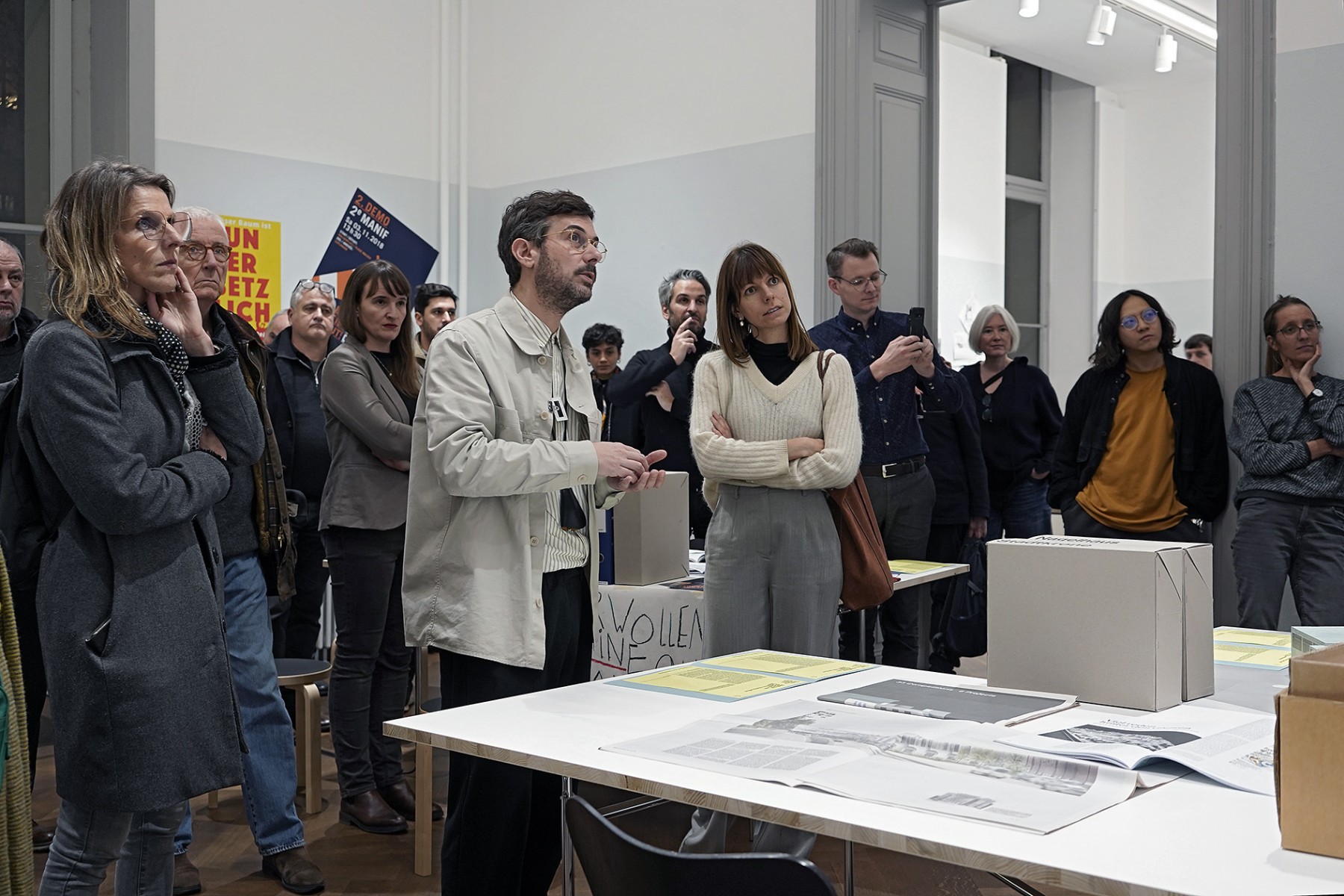
Rundgang durch die Ausstellung ‹Was wäre wenn›
Wenige Länder geben ihrer Bevölkerung ein derart weitreichendes demokratisches Mitbestimmungsrecht bei der Umsetzung von Architektur und Städtebau wie die Schweiz. Dies hat einerseits eine weltweit einmalige demokratisch getragene Architektur hervorgebracht, andererseits aber auch zahlreiche Projekte einer möglichen Baugeschichte des Landes verhindert.
Eintritt: CHF 12.–, red. CHF 8.–
Foto: Hans H. Münchhalfen
27. & 28.4.2024, jeweils 14–17 Uhr
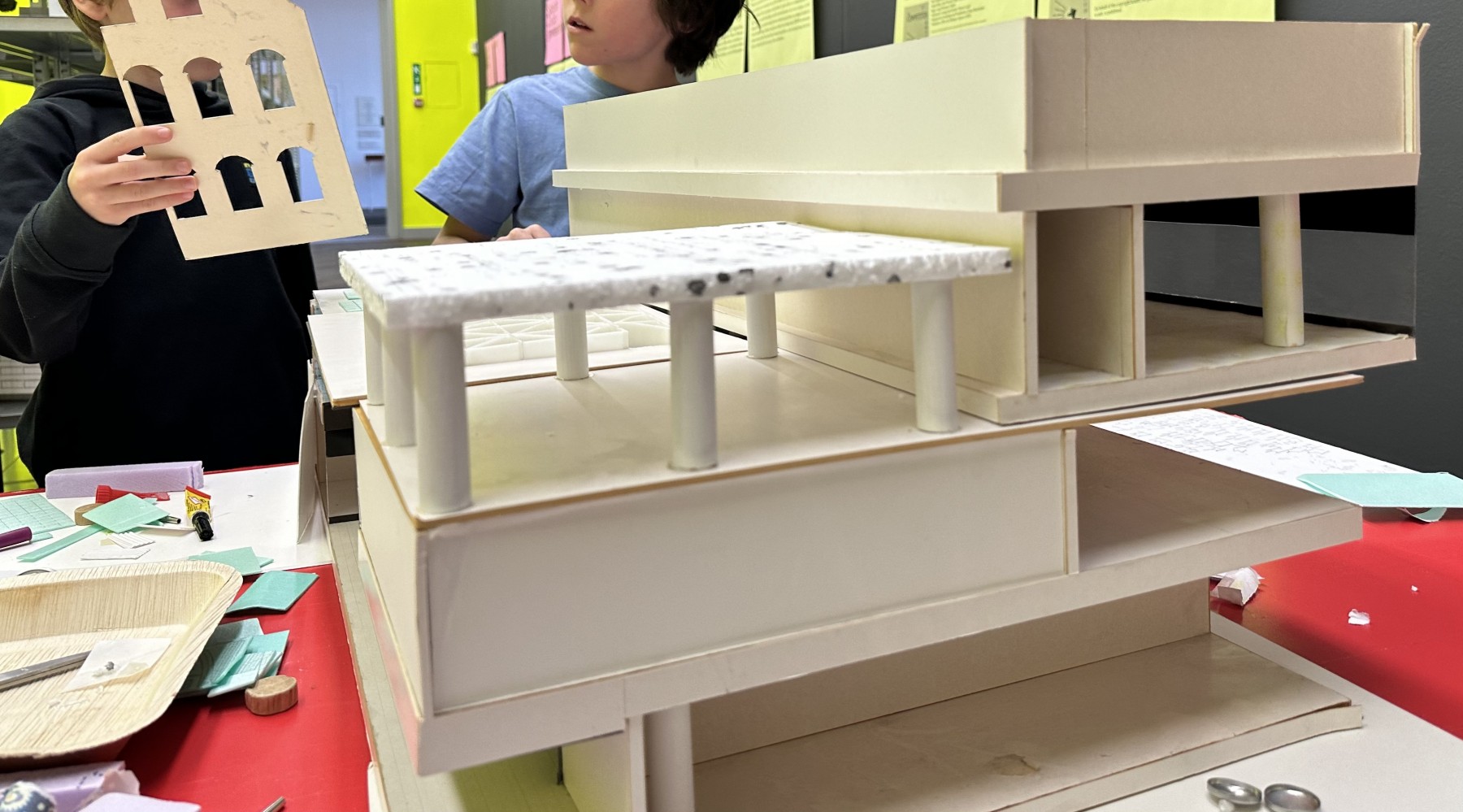
Open Atelier Re-Model
OPEN HOUSE KIDS
DropIn Modell-Werkstatt für Gross und KleinDieser Workshop ist Teil des Open House Kids. Gib deine Eltern beim Volunteer ab und entdecke Architektur gemeinsam mit andern Kids!
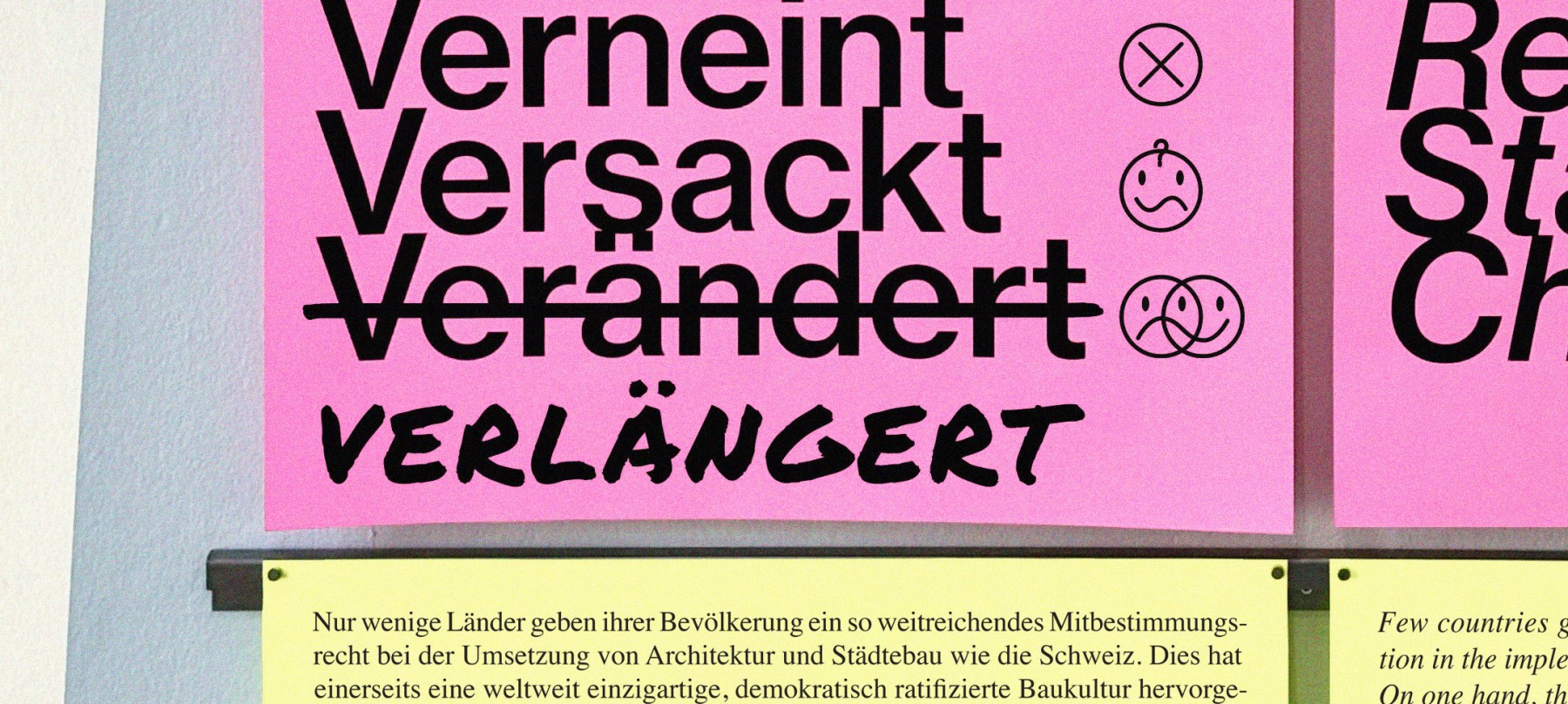
In Kooperation mit Open House Basel : 27. / 28. April 2024Verloren, verneint, versackt...VERLÄNGERT: bis 5.5.2024!
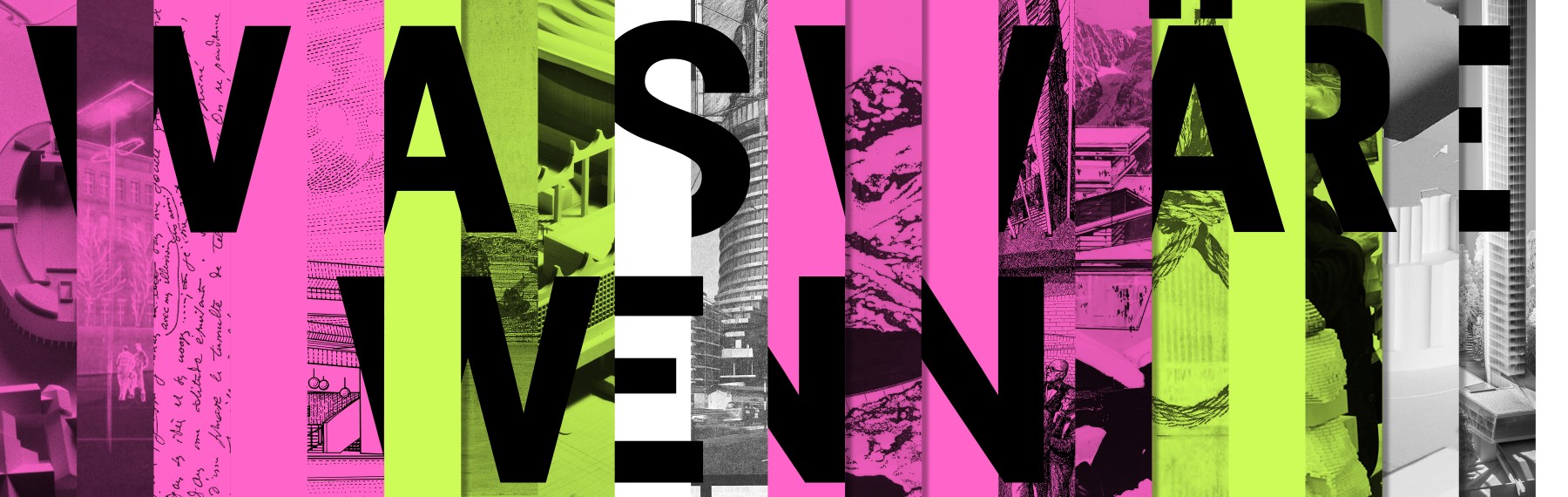
‹Was wäre wenn: Ungebaute Architektur in der Schweiz›
Aufgrund einer Änderung der Ausstellungsplanung und dem grossen Interesse wird die Ausstellung ‹Was wäre wenn› bis zum 5. Mai 2024 verlängert.12.4.–2.6.2024
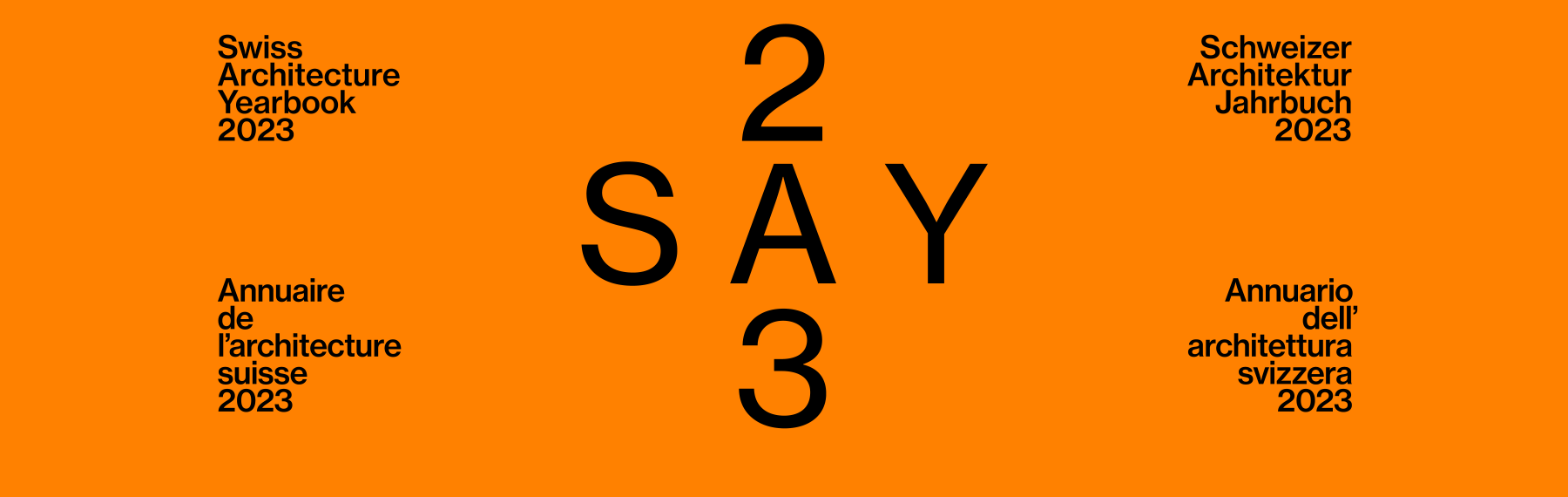
SAY Swiss Architecture Yearbook - Wanderausstellung
Vom 12.4.–2.6.2024 zeigt das ZAZ Bellerive die Ausstellung ‹SAY Swiss Architecture Yearbook›.
Ort: ZAZ Bellerive, Zentrum Architektur Zürich, Höschgasse 3, 8008 Zürich
Öffentliche Vernissage: 11.4.2024, 19 Uhr
Einführung zur Ausstellung mit:-
Ludovica Molo (Präsidentin BSA Schweiz)
-
Yuma Shinohara (Kurator S AM Basel)
-
Roland Züger und Daniel Kurz (werk, bauen + wohnen)
-
Christoph Bürkle (Vorstand ZAZ BELLERIVE)
-
25.11.2023–5.5.2024
Was Wäre Wenn
Ungebaute Architektur in der Schweiz
Wenige Länder geben ihrer Bevölkerung ein derart weitreichendes demokratisches Mitbestimmungsrecht bei der Umsetzung von Architektur und Städtebau wie die Schweiz. Dies hat einerseits eine weltweit einmalige demokratisch getragene Architektur hervorgebracht, andererseits aber auch zahlreiche Projekte einer möglichen Baugeschichte des Landes verhindert.
Ob verloren, verneint, versackt oder verändert – es gibt eine Unzahl an Architekturentwürfen, die in der Schweiz bis heute von sich reden machen, obwohl sie nie ausgeführt wurden.LINA Open Call 2024
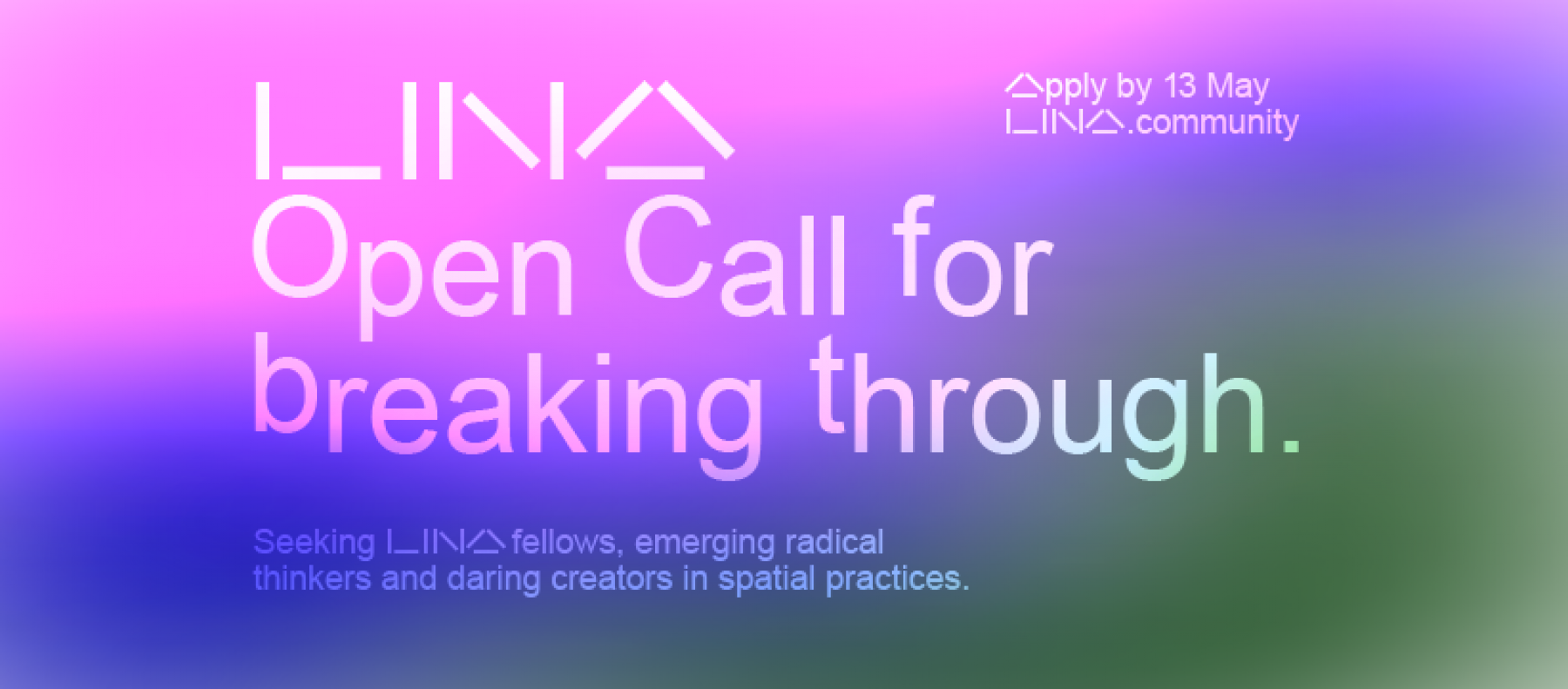
Third LINA Open Call invites emerging creatives to apply with ideas, texts and practices addressing the environmental crisis.
The Open Call seeks emerging spatial practitioners, thinkers, and creatives to become LINA fellows. Individuals and teams are invited to apply with radical ideas, practical solutions, theoretical insights or thought-provoking practices addressing the environmental crisis.
25 selected authors will be invited to the 2024 LINA Conference in Sarajevo (3–4 October), while any one of the eligible applicants can be invited to co-create the LINA Architecture Programme, a series of events organised by members of the platform across Europe.Who we are looking for
We are looking for innovative individuals and collectives who apply their theoretical and practical knowledge to better our common future. We’re searching for innovators who develop spatial practices that question the status quo. We want to welcome new and emerging voices to make their mark and help amplify their radical ideas.
We are looking to give a platform to those who have not yet broken through to the international audience, and are not yet established in their respective fields. Age is not a limit, however only Creative Europe country residents are eligible to participate.
We are looking for those wanting to participate in mentoring, teaching, residencies, research, writing, who want to present their work and develop meaningful programmes. Though travel is not always a necessity, we are looking for those interested in international collaboration. We want to promote people who care for the future of our planet and who share our ethical values.All documentation and application forms are available on the LINA website.
Please note: Due to Creative Europe regulations, the open call is only open to residents or nationals of the 40 countries that participate in the Creative Europe program (of which Switzerland is not a member). It is however possible to apply as a group if at least one member of your team is resident in or holds a passport from one of these countries.Call 4 Models!
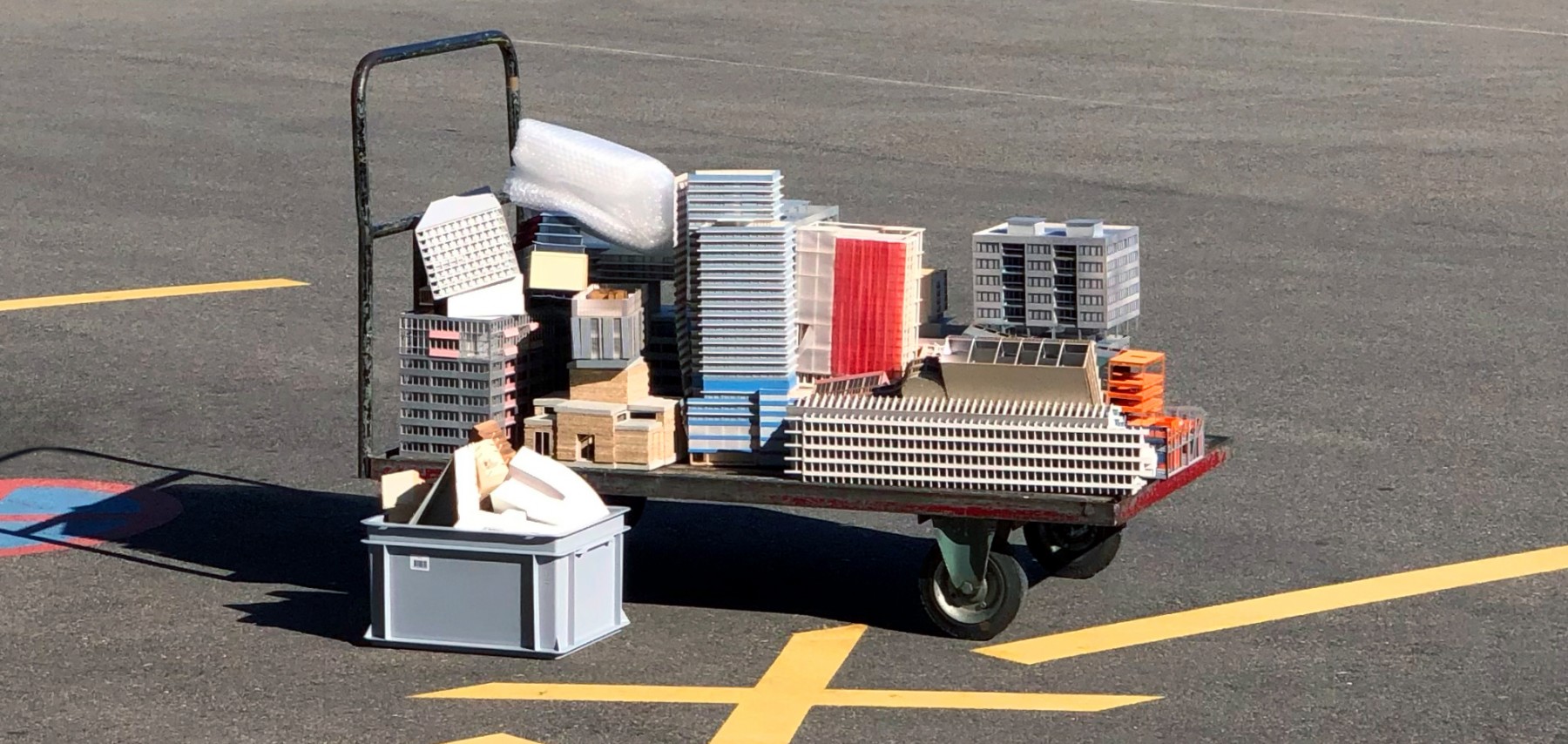
Wir suchen ausrangierte Architekturmodelle für unsere nächste Ausstellung ‹Was wäre wenn› (25.11.2023-7.4.2024). Sie werden im S AM ausgestellt / ihren letzten Moment des Ruhms erleben, um dann im Rahmen unseres Vermittlungsprogramms in neue Entwürfe verwandelt zu werden.
Habt Ihr …
… einen ganzen Bestand an Modellen abzugeben und möchtet, dass wir sie abholen? Bitte kontaktiert uns über info@sam-basel.org
LINA platform
LINA, the European architecture platform, is a network connecting prominent cultural players with emerging practitioners and thinkers in architecture. Its goal is to steer the architectural sector towards sustainable, circular and clean practices, to link the existing efforts into a united LINA Architecture Programme, and highlight new and emerging voices, giving them an international platform.
Members
Architectuul*, Atelier LUMA Arles, Architekturos Fondas Vilnius*, Barleti University Tirana, BETA Timișoara Architecture Biennial*, BINA Društvo arhitekata Beograda*, Copenhagen Architecture Festival*, Dani arhitekture Sarajevo*, Design Academy Eindhoven, dpr-barcelona*, Društvo arhitekata Istre*, Eesti Arhitektuurimuuseum Tallinn*, ETSAM UPM Madrid, Fakulteta za arhitekturo Univerze v Ljubljani, FAAD Notre Dame University-Louaize, Fondazione MAXXI Roma*, Forecast Berlin*, Fundacio Mies van den Rohe Barcelona, HDA Haus der Architektur Graz*, Irish Architecture Foundation, Kosovo Architecture Foundation*, Oslo Architecture Triennale*, S AM Schweizerisches Architekturmuseum*, Tbilisi Architecture Biennale*, TU Wien Gebäudelehre und Entwerfen, Theatrum Mundi Paris*, Trienal de Arquitectura de Lisboa*, VI PER Gallery Praha*
*Previously members of the Future Architecture platform


Sie werden zur Spendenplattform von StiftungSchweiz weitergeleitet