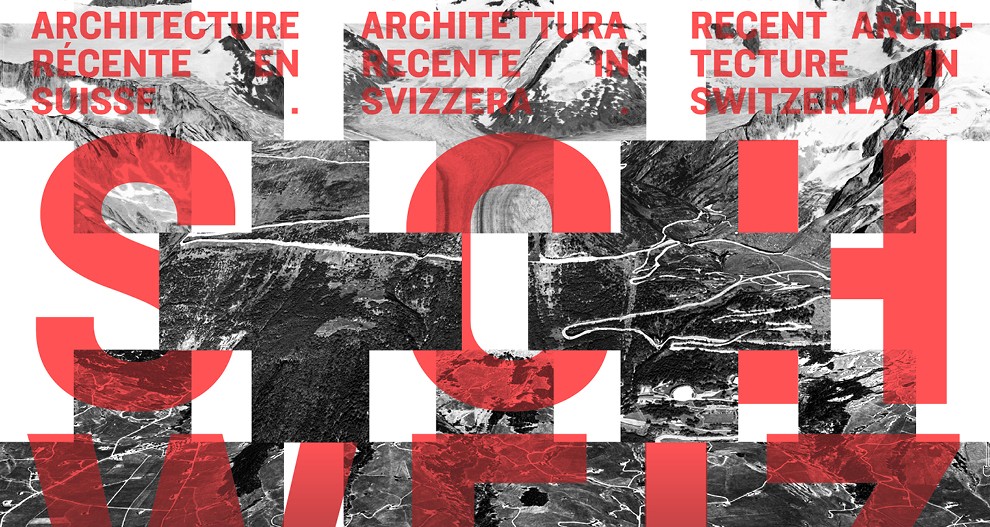
Schweizweit
ARCHITECTURE RÉCENTE EN SUISSE
ARCHITETTURA RECENTE IN SVIZZERA
RECENT ARCHITECTURE IN SWITZERLAND
In 1992 the artist Ben Vautier made a provocative statement with the inscription “La Suisse n’existe pas” at the entrance to the Swiss pavilion at the Expo in Seville. He wanted to point out the linguistic and cultural diversity of the country, but touched a sensitive nerve. It could equally be claimed that “L’architecture Suisse n’existe pas”. Whilst the image of Swiss architecture, especially internationally, is still strongly characterised by the 1990s and minimalism, the constructed reality is more regionally differentiated and heterogeneous: “Swiss architectures” rather than “Swiss architecture”.
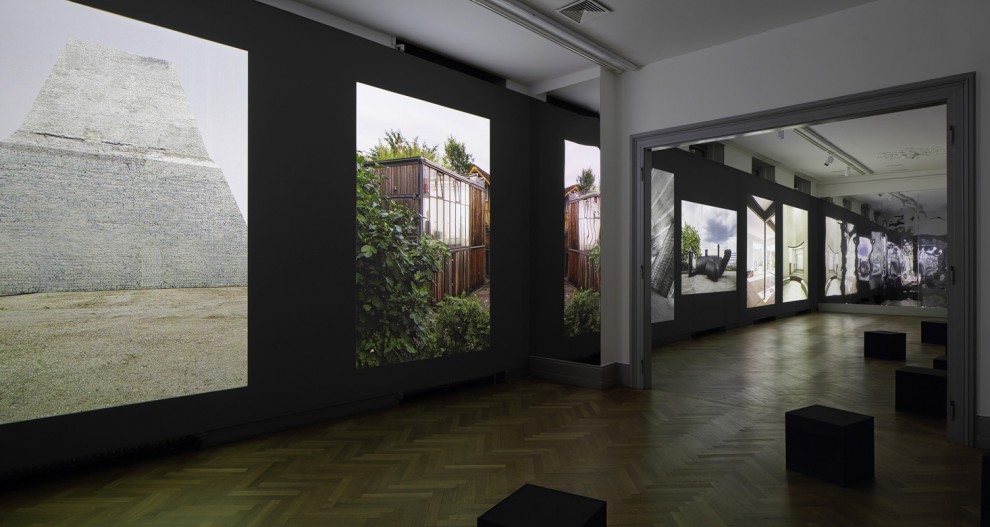
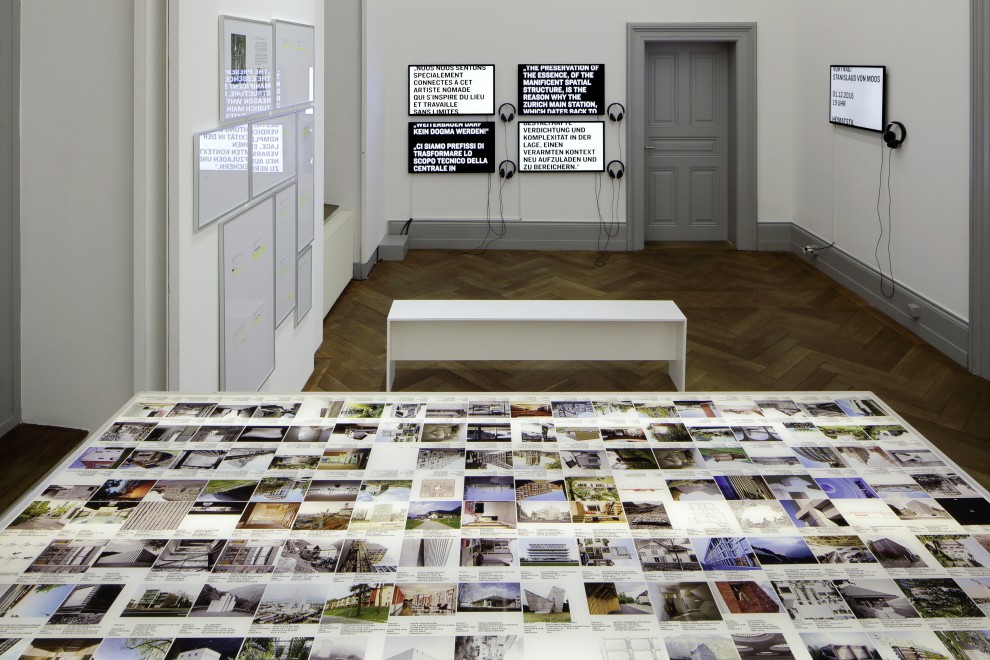
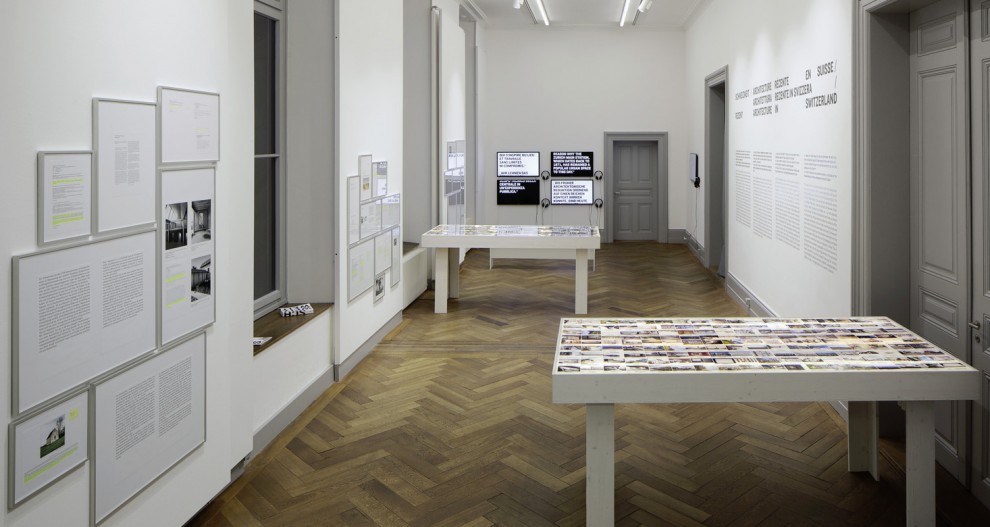
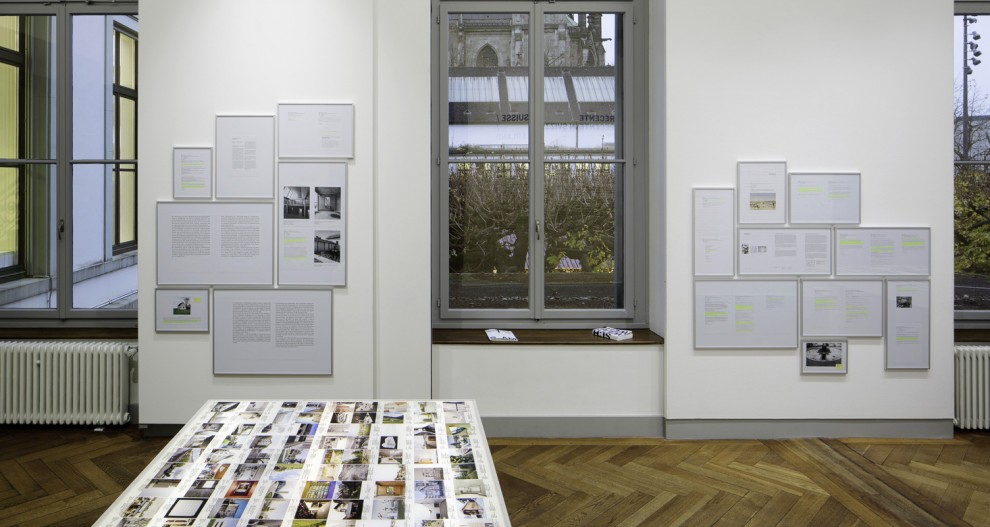
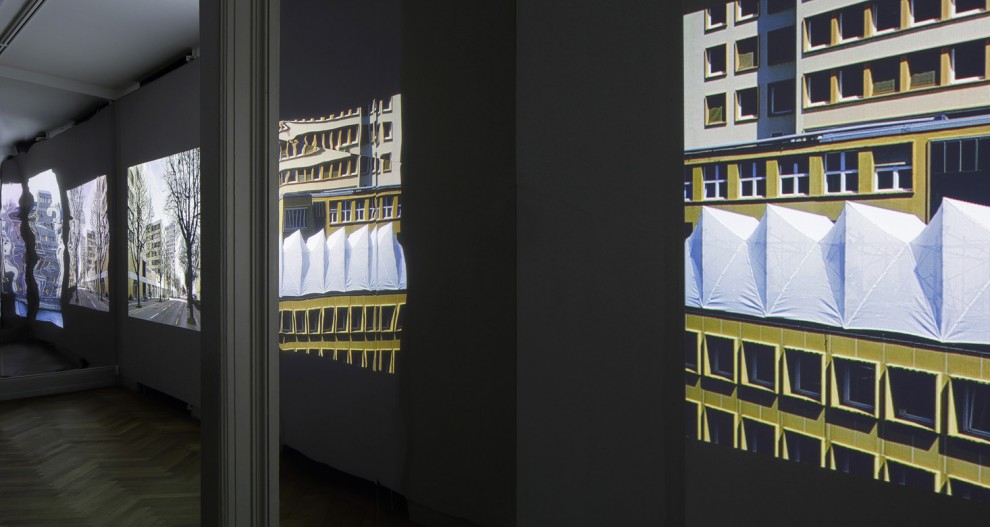
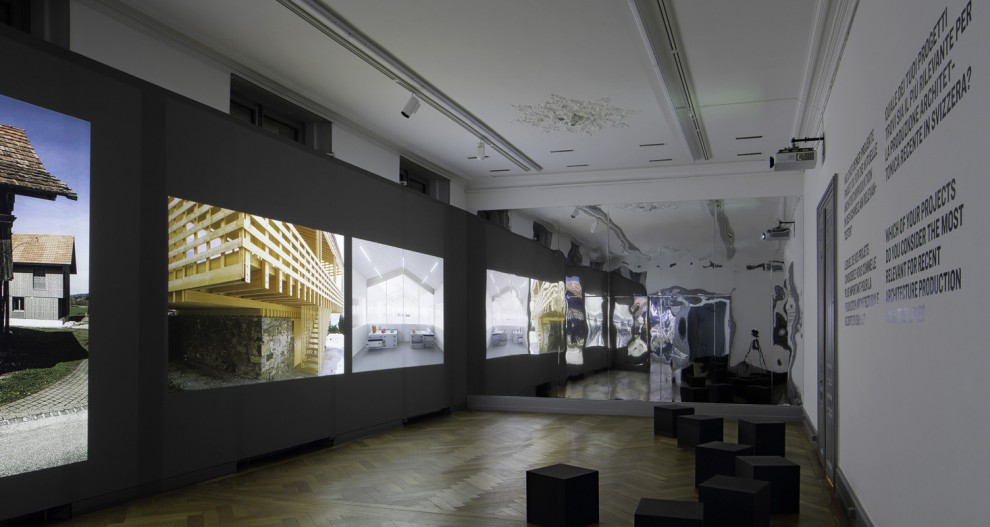
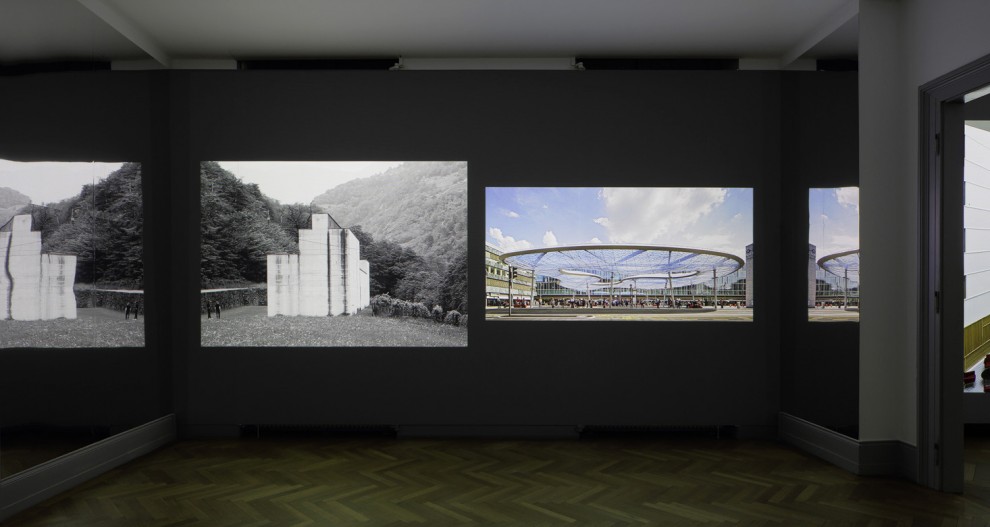
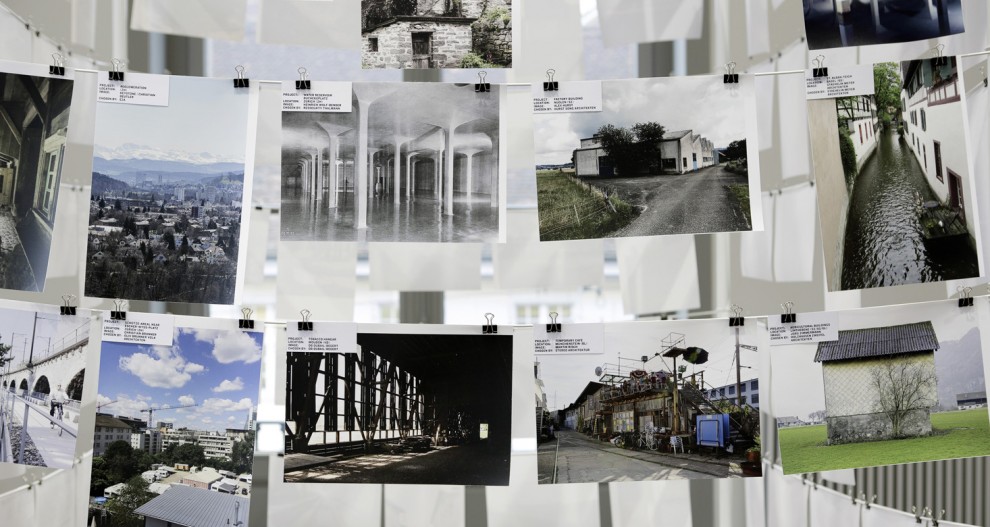
The first exhibition under the leadership of S AM Director Andreas Ruby reflects his vision for the S AM: without thresholds, contemporary, collaborative, Switzerland-wide. In co-operation with 162 architectural practices from all regions of the country the S AM has created a visual atlas of current Swiss architecture. Switzerland is transported into the museum via large-format projections. The exhibition shows the commonalities and differences in the themes, content and formal strategies that Swiss architects focus on today.
Beitrag zu «Schweizweit» auf espazium!