Exhibition Opening:‘Grounds for Reconstruction’
6 PM, English
In cooperation with LINA, the European Architecture Platform
With: Kateryna Lopatiuk, Nilra Zoraloğlu, alard studio
As wars of aggression and destruction continue unabated across the world, architects and planners are faced with the urgent issue of reconstruction – both as a rapid response to wartime damage and a long-term strategy for post-conflict rebuilding. How might the task of rebuilding out of wartime debris necessitate new approaches to building materials and their assembly? What role can architects play in the larger societal project of reconstruction? What new aesthetic languages and cultural values emerge out of the challenge of building anew in a ruinous landscape while acknowledging the inherent traumas it represents? Questions such as these are not just relevant for acute post-conflict zones, but also for landscapes that have undergone various forms of ruination, be it extractive exploitation or economic deprivation. In cooperation with LINA, the European architecture platform, the S AM brings together three practices working on reconstruction across geographies, temporalities, and disciplines in an experimental format combining discursive and exhibition formats.
Together, we will discuss different approaches and initiatives shaping the task of post-conflict rebuilding today and how these efforts are giving rise to alternative approaches to material, memory, and design. These discussions will culminate in a site-specific intervention for the 3rd floor of the Domushaus in Basel, which formerly housed the S AM and has been used as a satellite venue for the museum’s special projects in 2026.
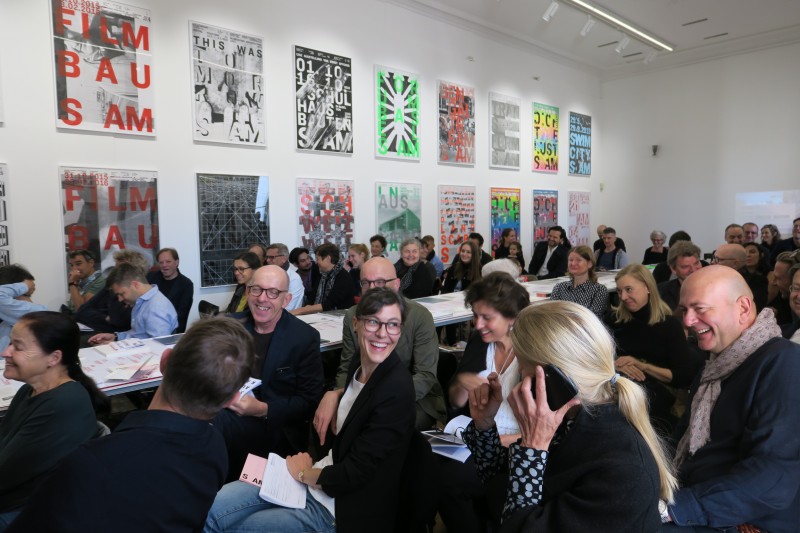
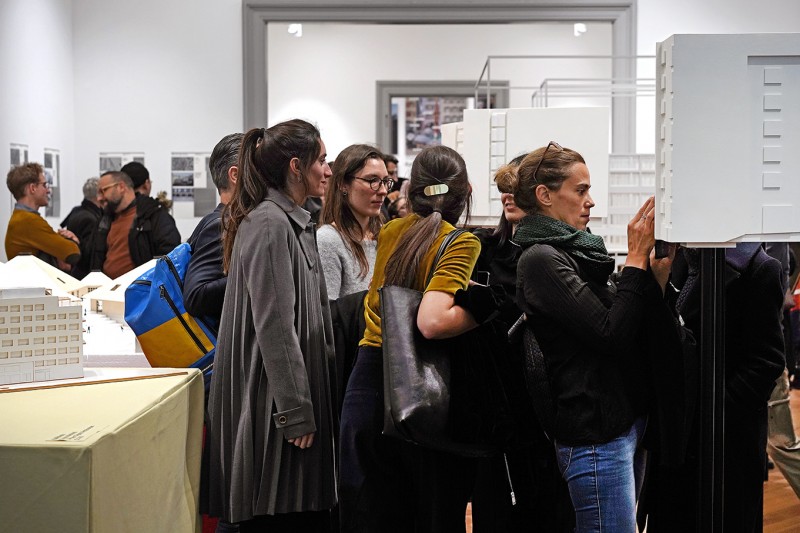
To mark the opening of the installation on November 14, please join us for a discussion event with the three participating practices and special guests hosted in collaboration with DomusHaus EG.
Location: Domushaus, Pfluggässlein 3, 4001 Basel
Image Credit: Scanned rubble from destroyed structures in Ukraine, from the project ‘Circularity on the Edge’ curated by Kateryna Lopatiuk.